Repair or replace? Deciding whether a broken TV is worth fixing
The honest answer to "is it worth repairing?" depends on which part failed, much more than on the TV's age. A board fault on a good panel is often worth fixing. A broken panel almost never is.
The panel decides most cases
The panel (the glass, its bonded drivers and, on LCD sets, the backlight assembly behind it) is the single most expensive part of a flat-panel TV. For most consumer models, manufacturers do not sell replacement panels to the public, and where a panel can be found its cost and the work involved are close to, or above, the price of a comparable new set.
So the first question is always: is the panel intact?
- Cracked glass, impact marks, spider-web lines, or dark patches that spread like ink: physical panel damage. Treat the set as not economically repairable.
- Lines that stay in the same place on every input, including the TV's menu: usually the panel's own drivers or their flex bonding. Occasionally a reseated or replaced T-con helps, but usually not.
- Burn-in on plasma or OLED: panel wear, not a fault a board can fix.
Faults that are often worth fixing
| Fault | Typical fix | Notes |
|---|---|---|
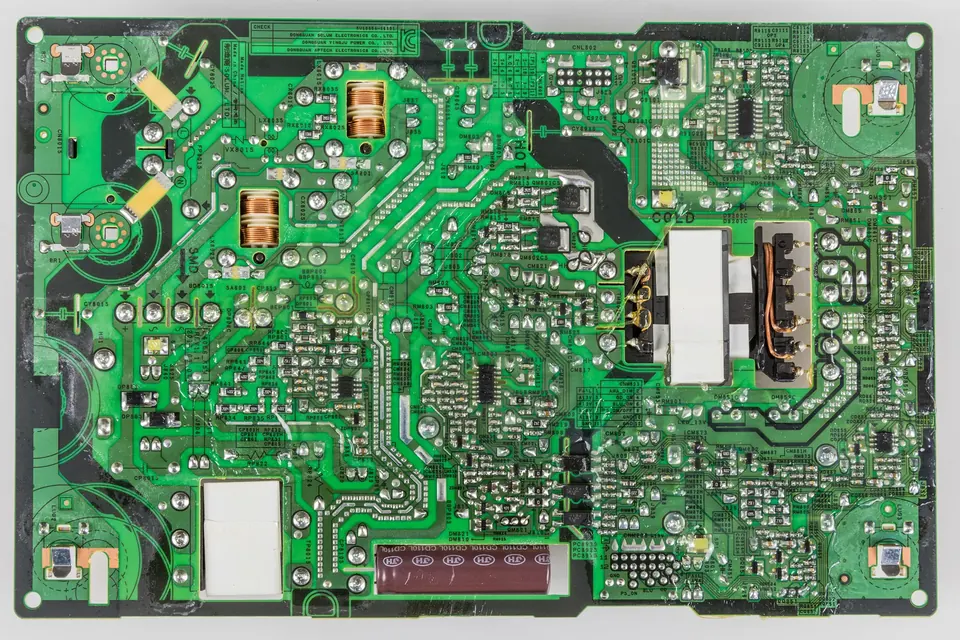
| Failed capacitors on the power supply | Replace capacitors, or the board | Low parts cost for people who solder |
| Power supply failure | Replace the board | Usually a straightforward swap once matched |
| LED backlight strips | Replace the full set of strips | Labour-intensive (panel comes out), parts usually inexpensive; risk of damaging the panel |
| Main board failure | Firmware recovery, or replace the board | Try software first; boards must be matched precisely |
| T-con failure (separate board) | Replace the board | Match to the panel model |
| Single plasma drive board | Replace the board | Depends on availability of used or refurbished stock |
Questions to ask before spending money
- Is the diagnosis solid? Buying a board on a guess is the most common way repairs become expensive. Work through the symptom guide and the flashlight test first.
- Can you get the exact part? See finding a compatible board. If the only boards available are "probably compatible" siblings, factor in the chance that it does not work.
- Is the set still supported? An old smart TV may no longer receive software updates, and some streaming apps drop support for older platforms. A repaired set can still be useful with an external streaming device.
- What else is wearing out? On an LED set with one failed strip, the rest of the strips have the same hours. On a plasma, the panel's brightness falls with age.
- Is it still under warranty or covered by consumer law? Opening a set can affect warranty claims. In many countries, consumer law gives rights against the seller for a product that fails early, independent of the manufacturer's warranty. Check before you open it.
- What does the energy use look like? Older plasma and CCFL-backlit LCD sets generally use more power than recent LED-backlit sets of the same size. The difference depends on the models, so compare the power ratings on the rating labels rather than assuming.
Professional repair
A local repair shop can be worth a call even if you intend to do the work yourself: they may confirm the diagnosis, and they know which boards in which models fail. Ask for a quote that separates diagnosis from repair, and ask whether replaced parts are new, used or refurbished.
If it is not worth fixing
Reuse
A TV with a working panel and one failed board is useful to someone: a repairer, a hobbyist, or a recycler that refurbishes. Describe the fault honestly if you give it away or sell it.
Recycling
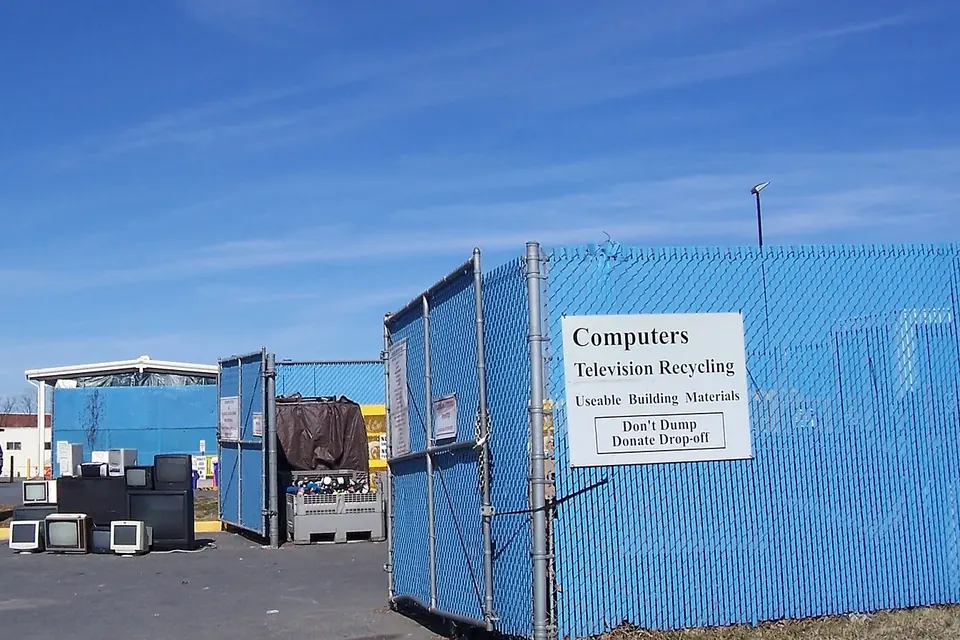
TVs contain materials that should not go to landfill, and older sets can contain hazardous parts: CCFL backlights contain mercury, and older circuit boards can contain lead solder. They belong in electronics recycling, not household waste.
- European Union: TVs and screens are covered by the Waste Electrical and Electronic Equipment (WEEE) Directive 2012/19/EU. It requires separate collection and, among other things, requires distributors to take back old equipment free of charge when a customer buys a new equivalent product. National rules set out the details.
- United States: the EPA's electronics donation and recycling page explains the options and links to locators for recycling points. Many states also have their own electronics recycling laws.
- Elsewhere: check with your local authority for an electronics or large-appliance drop-off.
Before handing over a smart TV, sign out of your accounts and do a factory reset, so streaming and app logins do not travel with it.
On the other side of the deal, if you are replacing a broken set with a secondhand one, the checks in buying a used flat-screen TV help you avoid buying the same fault twice. And if a set that worked before a house move now shows lines or a cracked-looking pattern, see moving with a flat-screen TV for how panels are usually damaged in transit and how to avoid it next time.
A rule of thumb, with its limits
If the panel is intact and the fault is a single, identifiable board that you can match exactly, a repair is usually reasonable. If the panel is damaged, if the diagnosis is uncertain after the basic tests, or if two or more boards have failed together, replacement is usually the better choice. Board Level does not give price thresholds, because parts prices and the value of a used set vary too much between models, markets and years to make a single figure meaningful.
 Parts and decisions
Finding a compatible board
Service number, PCB number, suffixes, panel models and firmware: matching a replacement without guesswork.
 Diagnosis
Symptoms and the likely board
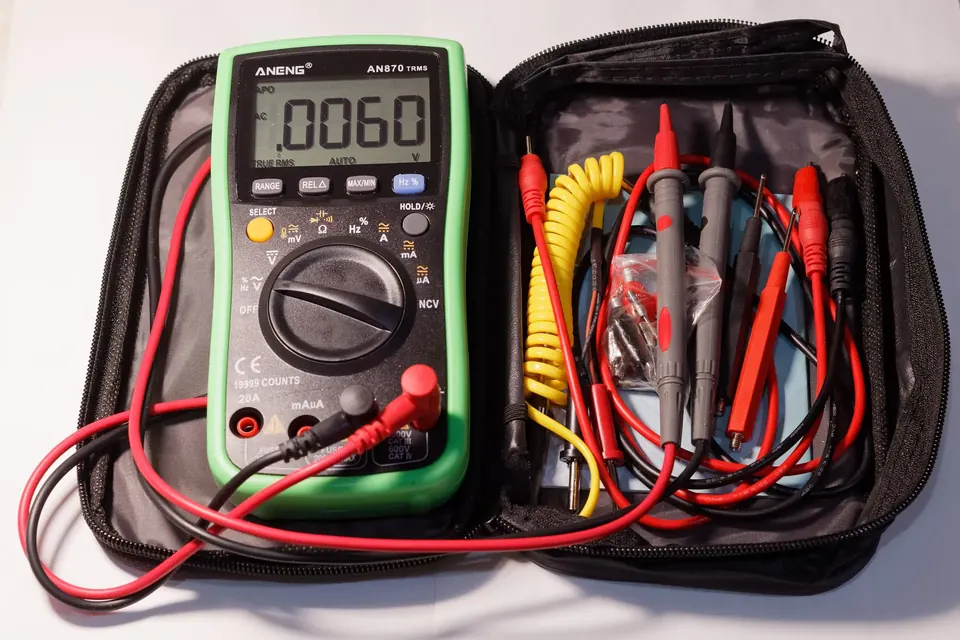
Dead set, clicking, blinking standby light, lines, no HDMI: which board each symptom usually points to.
 Board by board
LED backlight strips
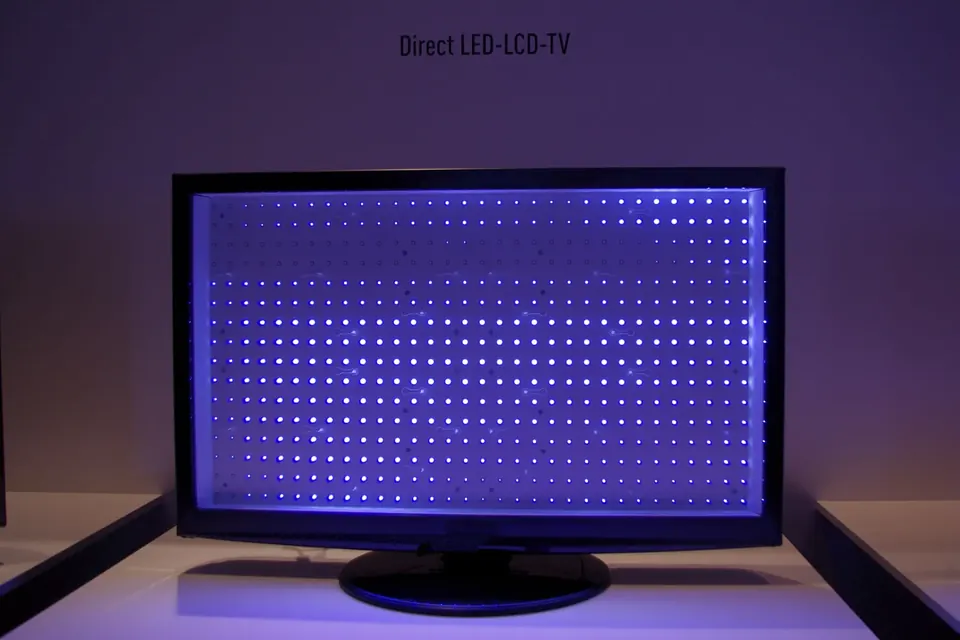
Direct-lit and edge-lit backlights, why one failed LED blacks out the screen, and what to check first.