Parts and decisions
Reading part numbers, matching a replacement, and knowing when a repair is not worth it.
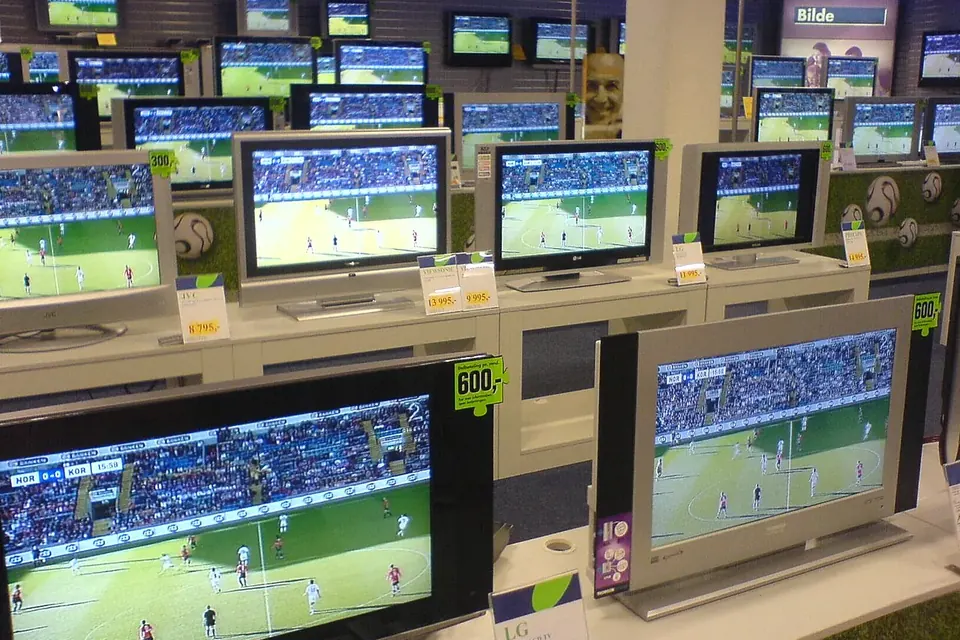
- Buying a used flat-screen TV: the checks to make before you pay
How to judge a secondhand LCD, LED or OLED TV: identifying the model and year, test images for dead pixels, pressure marks, backlight faults and burn-in, inputs and remote, smart-platform support, energy use, consumer rights and getting it home safely.
- Finding a compatible replacement TV board
How to match a replacement power supply, main board, T-con or plasma board: service number versus PCB number, versions and suffixes, panel models, firmware, and how to judge a listing without relying on any one seller.
- Moving with a flat-screen TV: packing, transport, mounting and the new living room
How to move an LCD, LED or OLED TV without cracking the panel: the original box or a substitute, carrying and transporting upright, cold and condensation, movers' liability, wall mounting in a rental, and choosing the right screen size for the new room.
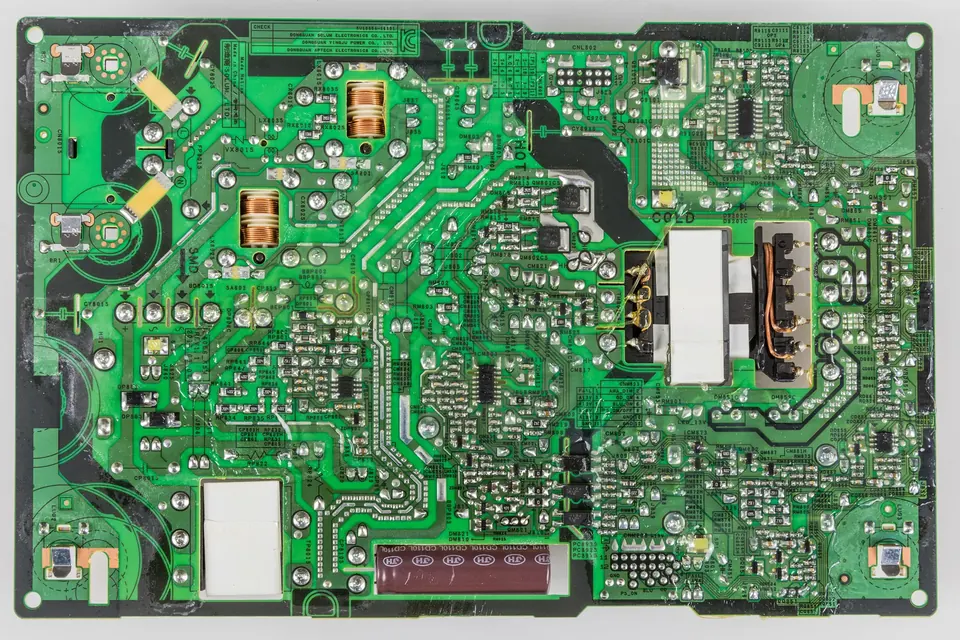
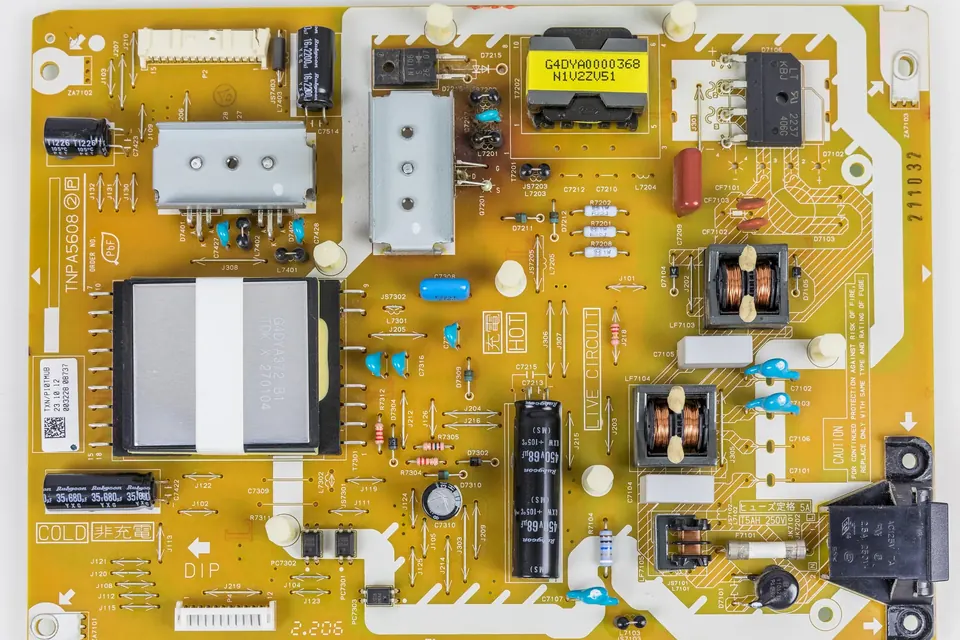
- Reading TV board part numbers: Samsung, LG, Sony, Panasonic and others
How flat-panel TV boards are numbered by the main brands, the difference between the sticker part number and the number printed on the PCB, and why a prefix is a hint rather than a guarantee.
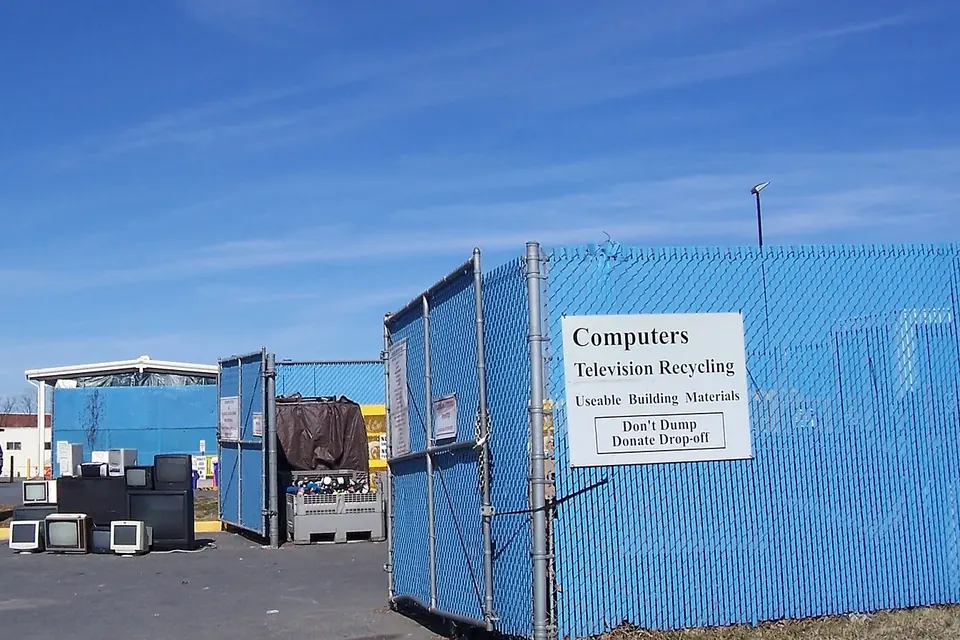
- Repair or replace? Deciding whether a broken TV is worth fixing
A practical way to decide whether a flat-panel TV repair makes sense: which faults are usually worth fixing, why a cracked panel usually ends it, what to weigh beyond price, and how to dispose of a TV responsibly.